
Germany combines historic cities, modern culture and varied landscapes. This guide helps you prepare a tourist visit: understand the Schengen visa, choose destinations and plan transport and accommodation. Long-term residence, work or study requires checking the appropriate national route separately.
1. Visiting Germany: A Schengen visafor short visits
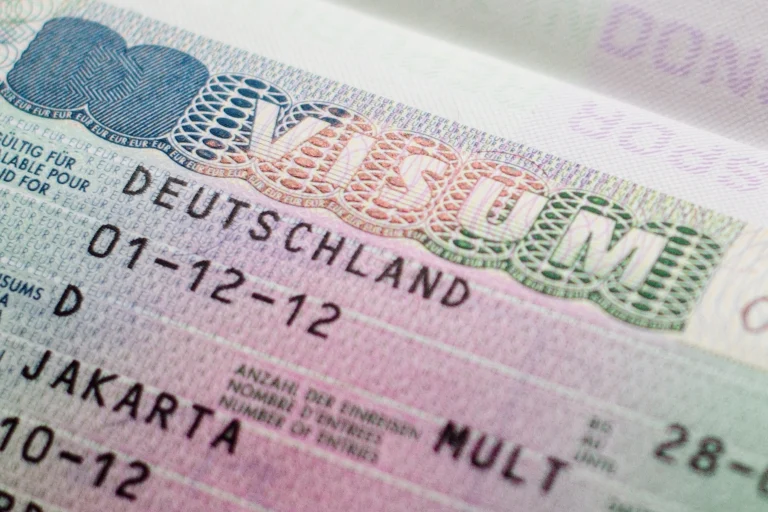
A Schengen visa permits a short stay within its stated territory, validity and number of entries. The general limit is up to 90 days in any 180-day period, but a visa can allow fewer. Germany is in Schengen; this is not work permission or automatic access to every European country.
Main documents
- Valid passport: check validity, issue date and blank pages. Schengen normally requires at least three months’ validity after intended departure; consult the mission’s checklist.
- Application and photographs: use the current form and biometric photo requirements. Check appointment procedures through the mission’s official website.
- Travel medical insurance: normally at least €30,000 across Schengen for the required period; check emergency care and repatriation requirements.
- Funding: prepare funds and income evidence under the official checklist. An employment letter alone may not be enough.
- Purpose and itinerary: align bookings, dates and the travel explanation. Address return requirements; do not buy non-refundable tickets merely to apply when the mission asks only for reservations.
Further information
- Official tourist visa application procedure — tourist visa applications in Tashkent have been handled through TLScontact since 1 July 2025. Use the mission’s current appointment link.
- German Embassy in Tashkent — documents, fees and official instructions for applications in Uzbekistan.
2. German itinerary ideas
Berlin — history and modern life
- Brandenburg Gate, Reichstag, surviving sections of the Berlin Wall introduce different periods of the city’s history.
- Add galleries and the Kreuzberg or Friedrichshain districts. Check advance registration and tickets for individual attractions.
Munich — Bavaria’s capital
- Marienplatz and Old Town Hall provide starting points for exploring the historic centre.
- Oktoberfest is an annual festival known for Bavarian traditions, music and traditional clothing.
Frankfurt — skyline and history
- The skyline gives the city a modern profile. The observation deck at Main Tower offers city views; opening and access depend on schedules and conditions.
- Römerberg is a historic square for exploring the old centre’s distinctive architecture.
Hamburg — a northern port city
- Reeperbahn is known for nightlife and entertainment.
- Speicherstadt is a historic warehouse district forming part of a UNESCO World Heritage site.
- Elbphilharmonie is a concert hall and architectural landmark. Check concert and visitor tickets separately.
Stuttgart, Cologne and other cities
- Stuttgart offers Mercedes-Benz and Porsche museums, parks and regional wine traditions.
- Cologne is known for attractions such as Cologne Cathedral, Rhine bridges and carnival traditions.
Useful resources
- Germany Travel — the official tourism portal covering regions and cities.
- Lonely Planet — Germany — guides and itinerary ideas; confirm prices and schedules with providers.
3. Nature, food and events
Nature itineraries
Beyond cities, consider destinations such as the Black Forest (Schwarzwald), the Bavarian Alps, the Rhine Valley vineyards. Match walking and cycling routes to the season, fitness and weather. Check local restrictions and your return arrangements.
Food and drink
- Bavarian white sausage (Weisswurst), Schweinebraten (roast pork) and different beers are examples of regional food. Ask about ingredients if you have dietary restrictions; other options are available.
- Glühwein — mulled wine popular at Christmas markets, which often offer non-alcoholic drinks too.
- Regional baked goods, such as Berliner doughnuts and Black Forest cherry cake, add to the culinary experience.
Festivals and celebrations
- Oktoberfest in Munich usually takes place in September and October. Check exact dates and visitor information on its official website.
- Christmas markets run in the weeks before Christmas; dates vary and not every market opens on the holidays themselves.
- Rhineland carnival in Cologne, Düsseldorf and elsewhere peaks before Lent. Dates change each year, so check the programme for your travel year.
4. Practical planning
- Transport
- Deutsche Bahn helps plan rail journeys. Compare fares, connections, refund terms and current timetable changes.
- If considering a flight, check that the route exists and include airport travel, baggage and check-in time in the comparison. Not every budget airline operates domestic routes.
- Coaches may be economical on some routes. Check the stop location, luggage, journey length and cancellation rules.
- Accommodation
- Hotels: compare location, total price, breakfast and cancellation terms, not just star ratings.
- Airbnb: check the accommodation type, reviews, extra fees and check-in rules. A platform listing does not necessarily mean staying with a local host.
- Hostels: can suit budget trips and meeting people. Check room type, storage, quiet hours and age policies.
- Budget
- Cards are widely accepted, but a small euro cash reserve is useful. Budget for bank fees, transport, meals, admission and changes to plans.
- Early booking may offer Early Bird discounts, but a lower price may come with refund restrictions. Check visa and contract conditions first.
- Language
- English is useful in many tourist settings but not everywhere. Learn basic German for transport, shopping and asking for help.
- Save addresses and an offline translation language pack in advance. Read important booking terms carefully rather than relying solely on machine translation.
5. Your travel plan
A visit to Germany can combine cities, nature and local food. Choose a manageable number of stops. Check visa conditions and permitted days, then coordinate transport, accommodation and bookings. For travel beyond Schengen, check entry rules separately.
Have a good trip! Allow time to rest and for possible delays. Recheck schedules, weather and local events shortly before departure. Thoughtful preparation leaves more time to enjoy the trip itself.
Further links:
- Official tourist visa application procedure — tourist visa submission through the mission’s designated service.
- German Embassy in Tashkent — official visa instructions.
- Germany Travel — official tourism portal.
- Deutsche Bahn — rail routes and tickets.
- Lonely Planet — Germany — independent travel ideas.
Start with your travel purpose, available dates and budget, then build an itinerary that suits you.